What are you looking for?
Purica Products
Shop now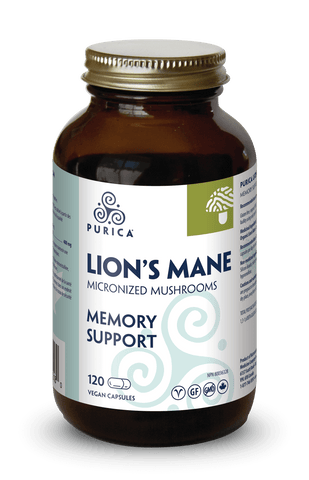
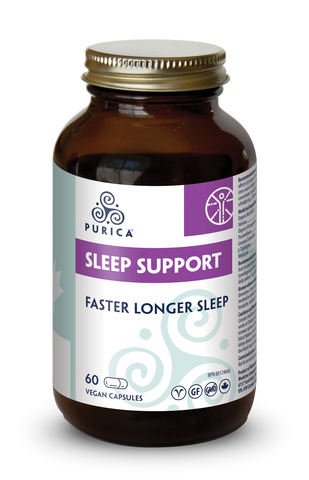
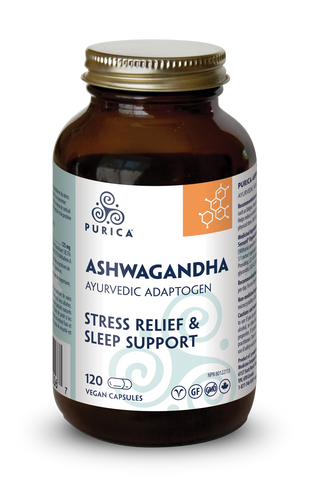
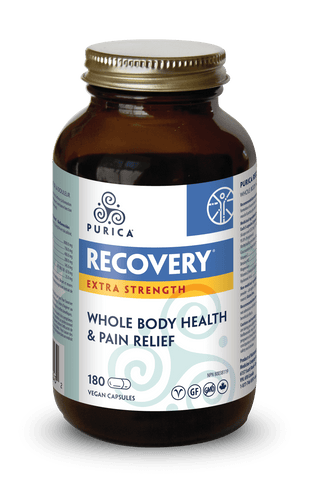
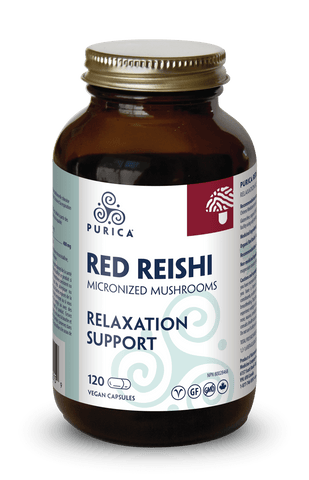
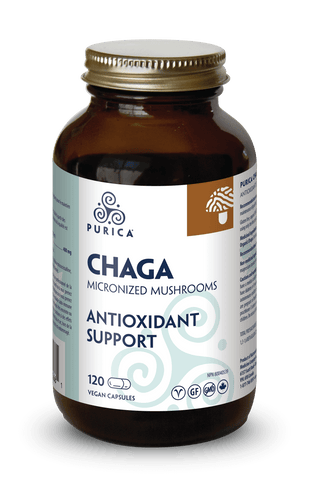
We’re more than a vitamin, supplement and health food store, we’re a lifestyle.
Smoothie Bar Items
Order your favourites, online or via our App.

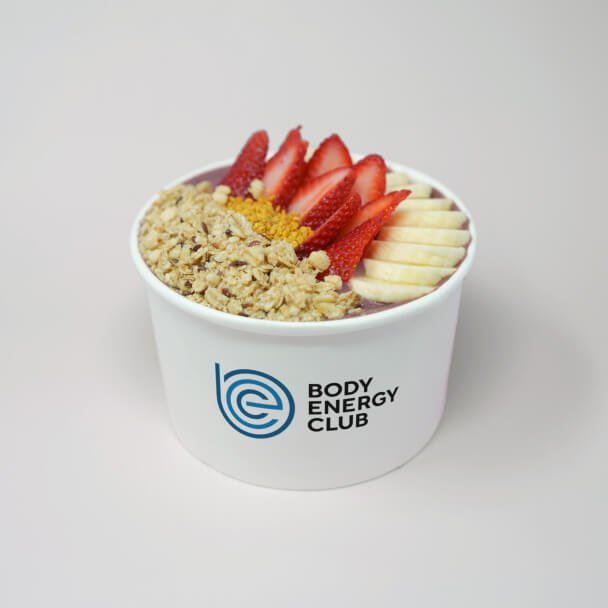
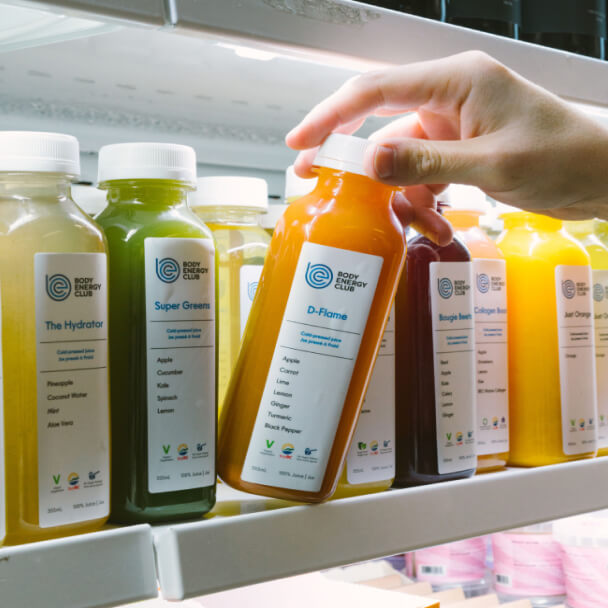
Upgrade your smoothie with a Power Fuel
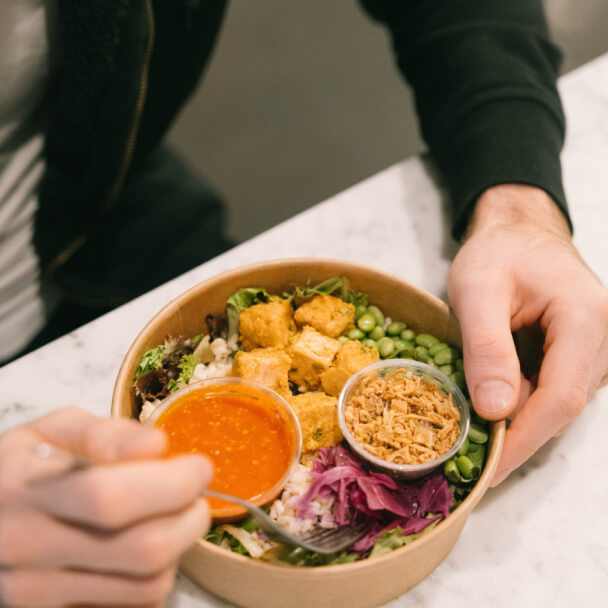
Elevate your smoothie game with our Power Fuel smoothie add-ons, featuring a range of powerhouse ingredients like matcha powder, greens, superfoods, omegas, and fiber. Customize your blend to perfection and fuel your day with delicious and nutritious goodness.

SUPERCHARGE Your Smoothie
Curated smoothie & Power Fuel pairings for your daily boost. Available with Blueberry Acai, Green Goddess & Thunder Coffee!
Top Selling Proteins
Shop now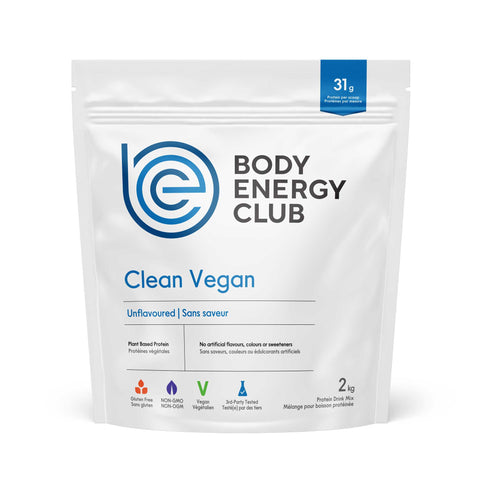
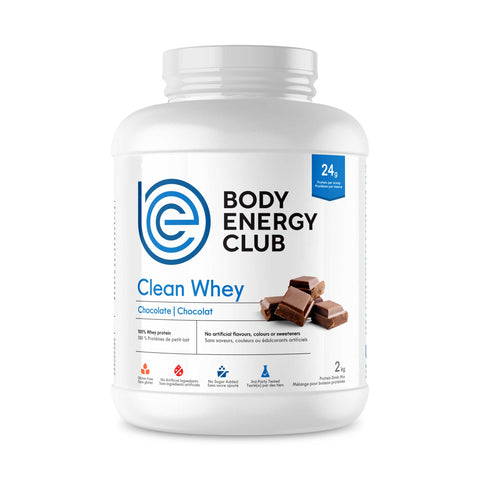
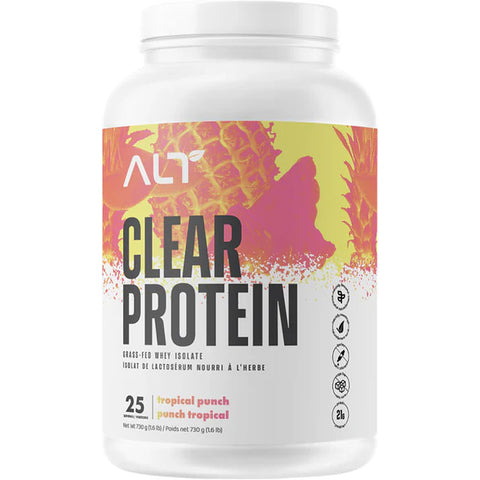
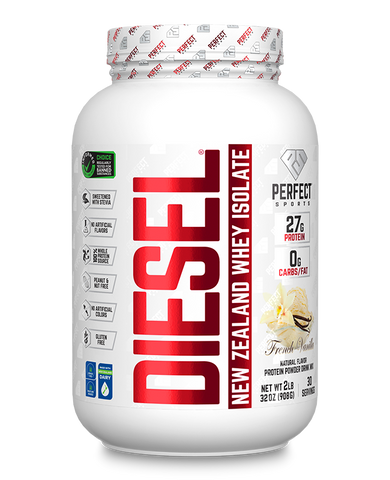
Perfect Sports
Perfect Sports DIESEL | New Zealand Whey Isolate Protein
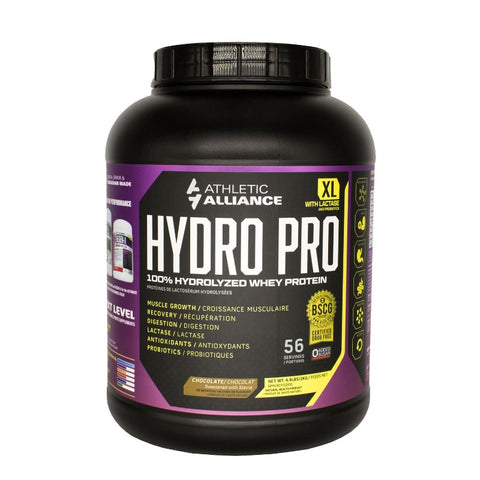
Athletic Alliance
Athletic Alliance | Hydro-Pro XL | 100% Hydrolyzed Whey Protein
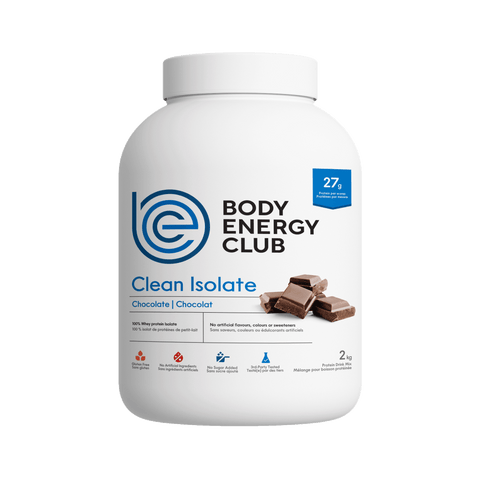
Discover our community's favourite top-selling proteins for every fitness journey! From organic protein powder to plant-based protein shakes, mass gainers to pea protein powder, we've got you covered. Whether you're seeking vegan protein options like pea protein powder or the slow-release benefits of casein protein, find your perfect fit for sustainable gains and optimal nutrition.
Our Brand
Shop now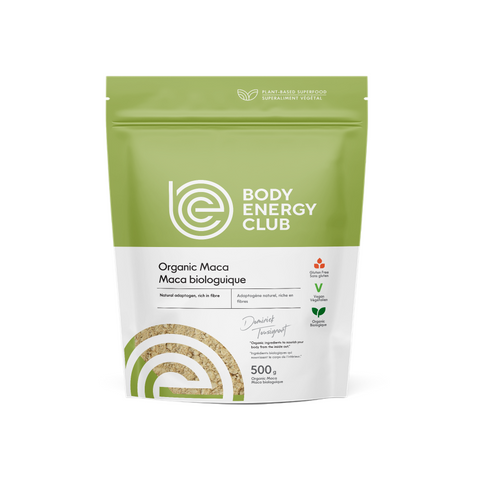
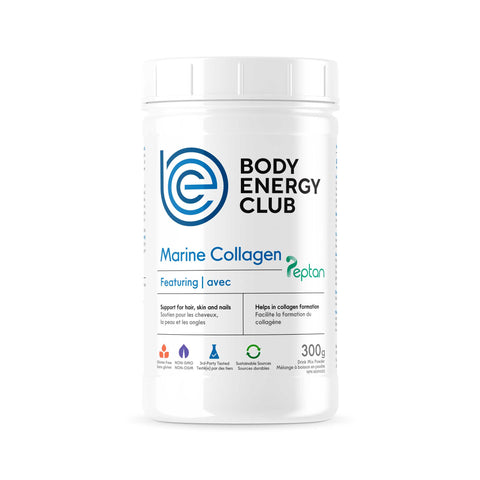
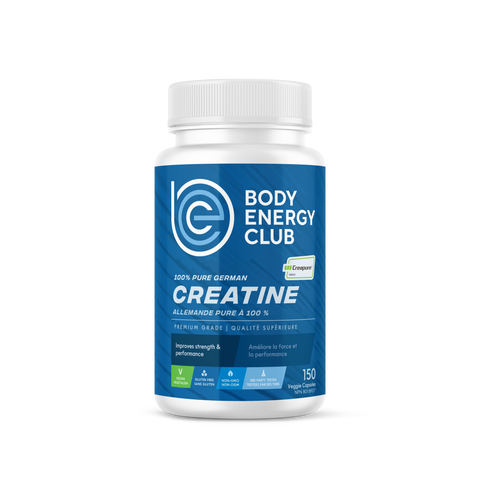
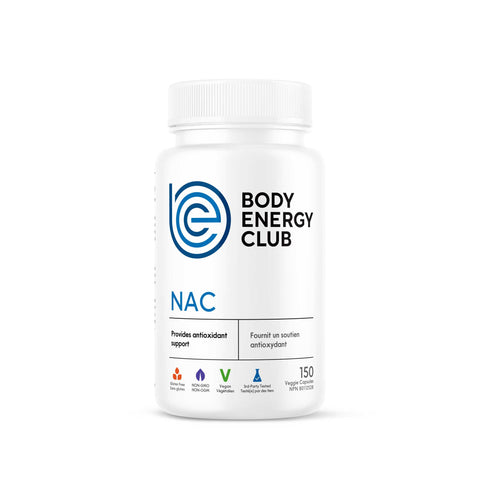
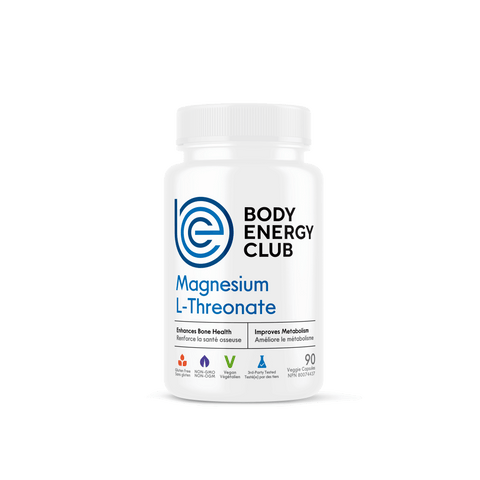
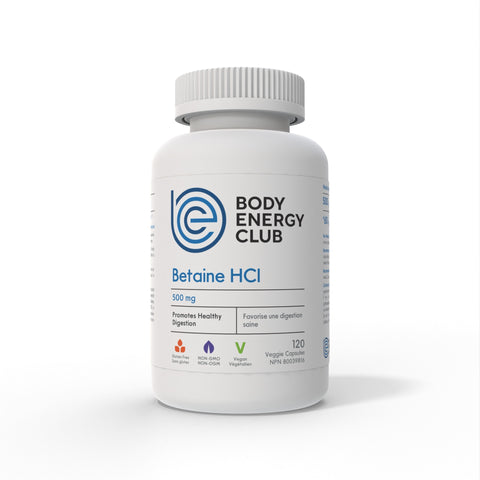
Elevate your wellness journey with our premium line of vitamins and supplements, meticulously crafted to support your recovery and overall health. Explore our full range of offerings from essential recovery supplements and genuine health products, to protein supplements and nutrient-rich greens powders. Welcome to your one-stop health food store, where quality meets efficacy for your holistic well-being.
Holistic & Naturopathic | Recommended Brands
Shop now
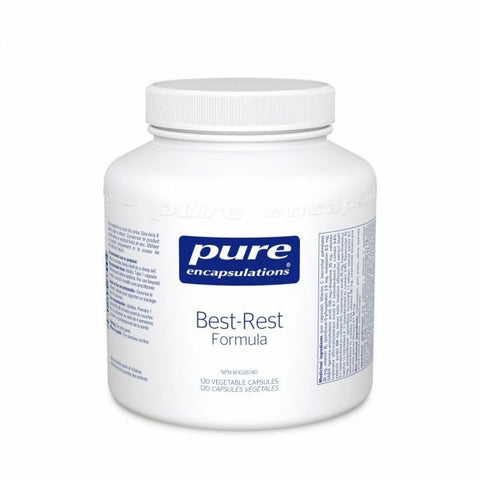
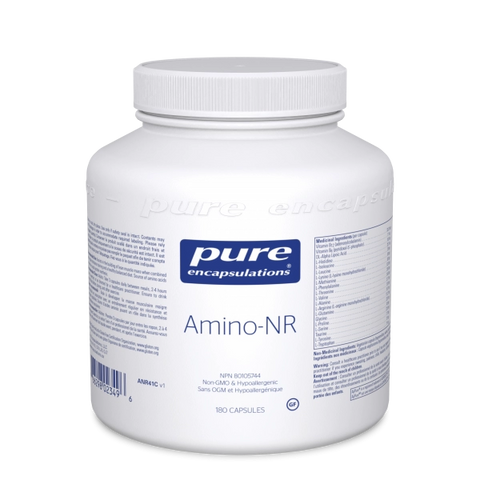
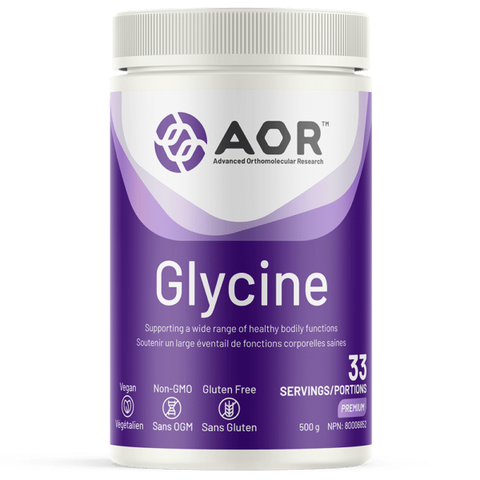
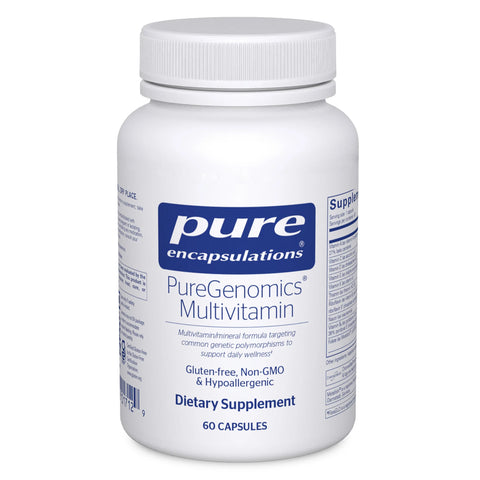
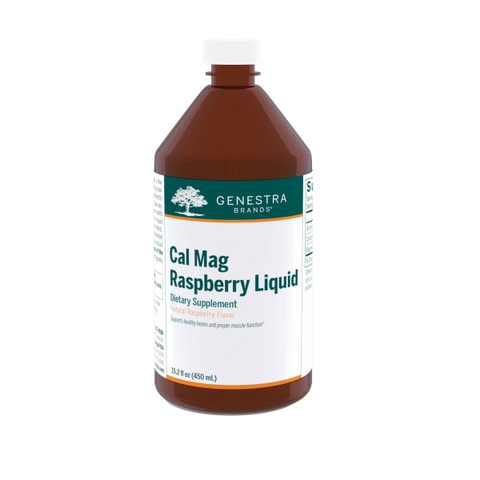
Unlock holistic wellness with these recommended holistic and naturopathic brands for comprehensive wellness solutions. From supplements for stress relief to enhancing whole-body health, our curated collection offers premium health supplements tailored to your needs. Elevate your well-being with trusted brands, sourced from across Canada, and embark on a journey to optimal health and vitality.
Questions? We have answers
Send us a message, we are always happy to help!